Understanding the psychological effects of gambling on decision-making processes
The Nature of Gambling and Its Appeal
Gambling is an activity that has captivated human interest for centuries, offering both entertainment and the allure of financial gain. At its core, gambling involves risking something of value in the hope of obtaining a greater reward. This risk-reward dynamic plays a pivotal role in attracting individuals to various gambling forms, from casinos to online casinos. Understanding the psychological effects of gambling begins with recognizing this inherent thrill.
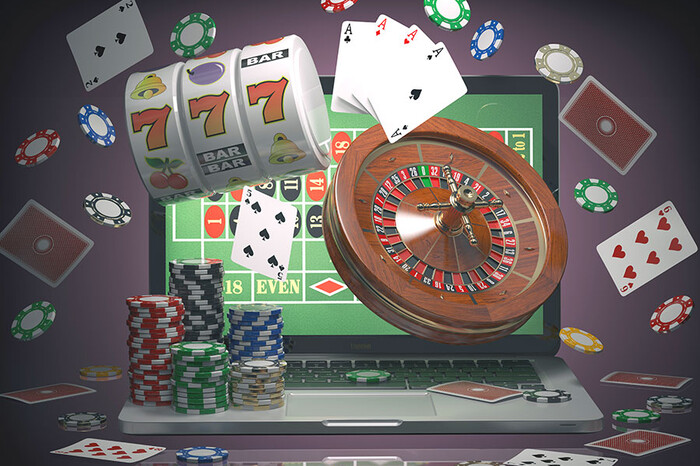
The excitement stems from the unpredictable nature of gambling outcomes. The adrenaline rush associated with placing a bet or spinning a roulette wheel can lead to heightened emotions, which may cloud judgment and decision-making abilities. This emotional engagement can create a cycle where individuals chase losses or seek to prolong their winning streaks, often leading to irrational behaviors.
Cognitive Biases Influencing Gambling Decisions
Cognitive biases are systematic patterns of deviation from norm or rationality in judgment. In the context of gambling, these biases can significantly influence decision-making processes. For instance, the “gambler’s fallacy” leads individuals to believe that past events affect future outcomes, such as thinking that a losing streak must be followed by a win. This fallacy can result in overconfidence and continued gambling despite mounting losses.
Another common cognitive bias is the “illusion of control,” where gamblers believe they can influence the outcome of a game, especially in skill-based games. This belief can drive them to take unnecessary risks, further complicating their decision-making. These biases create a psychological barrier that can impair critical thinking and rational assessment of risk in gambling scenarios.
The Role of Emotions in Gambling Behavior
Emotions play a crucial role in how individuals engage with gambling activities. Positive emotions, such as excitement and joy, can motivate continued play, while negative emotions, like stress and frustration, may lead individuals to gamble as a coping mechanism. This complex interplay of emotions can distort decision-making, resulting in choices that prioritize short-term gratification over long-term consequences.
Additionally, the feelings of loss and regret can compel gamblers to chase their losses, often leading to further financial strain. The emotional highs associated with wins can reinforce gambling behavior, creating a cycle that makes it increasingly difficult to disengage. Understanding this emotional component is essential for recognizing how it impacts decision-making in gambling contexts.
Long-Term Psychological Effects of Gambling
The long-term psychological effects of gambling can be profound and often detrimental. Chronic gambling can lead to anxiety, depression, and a host of other mental health issues. As individuals grapple with the consequences of their gambling habits, they may experience feelings of isolation and shame, which can further exacerbate mental health struggles.
Moreover, the normalization of gambling within certain cultures can contribute to an environment where unhealthy gambling behaviors are overlooked or even encouraged. This cultural acceptance can make it challenging for individuals to seek help and support, resulting in a cycle of addiction that affects not only the gambler but also their relationships and community.

A Safe and Engaging Gambling Experience
When exploring the realm of gambling, it is crucial to prioritize a safe and engaging experience. The website serves as a valuable resource, offering access to various gaming content and communities, while implementing security measures to protect users from online threats. This commitment to safety ensures that individuals can explore their interests in gambling without compromising their well-being.
If users encounter any access restrictions, the site provides guidance to resolve issues efficiently. By fostering a secure environment, the website not only enhances user engagement but also promotes responsible gambling practices. Understanding the psychological effects of gambling is an essential step in navigating this complex landscape, and resources like this help support informed decision-making.