Exploring how cultural backgrounds shape gambling behaviors across the globe
Cultural Attitudes Towards Gambling
Cultural backgrounds significantly influence how communities perceive gambling. In some cultures, it is seen as a form of entertainment and social engagement, while in others, it may be considered taboo or even immoral. For example, many Western societies embrace gambling as a legitimate leisure activity, offering various platforms such as casinos and sports betting. Conversely, in parts of Asia, particularly in countries like China, gambling is often tied to tradition and viewed as a way to enhance one’s fortune during significant festivals. Engaging in games like the chicken road 2 game has also become popular as a form of online entertainment.

These differing attitudes can lead to varied participation rates in gambling activities. In cultures where gambling is accepted or encouraged, you may find vibrant gambling communities and events, such as poker tournaments and casino nights. On the other hand, in cultures that frown upon gambling, individuals may partake in these activities discreetly or avoid them altogether due to fear of social ostracism or legal repercussions.
Influence of Religion on Gambling Practices
Religion plays a crucial role in shaping gambling behaviors across the globe. In many religious communities, gambling is prohibited or discouraged. For instance, Islam explicitly forbids gambling, labeling it as a vice that leads to societal harm. This prohibition shapes the gambling habits of Muslim communities, which often find alternative forms of entertainment that align with their beliefs.
In contrast, certain cultures with more liberal religious interpretations may have integrated gambling into their traditions. For instance, festivities in Catholic countries often include games of chance. This variance highlights how religious doctrines can either restrict or encourage gambling, resulting in unique cultural approaches to this age-old activity.
The Role of Economic Factors
Economic conditions also play a pivotal role in shaping gambling behaviors. In wealthier nations, where disposable income is higher, gambling is more prevalent, with diverse options available to consumers. This economic accessibility can lead to a more normalized view of gambling, making it a common recreational activity. Countries like the United States and Australia have robust gambling industries that cater to various preferences, from sports betting to online casinos.
In contrast, in developing nations, limited financial resources can affect gambling behaviors significantly. People may participate in gambling more as a means of survival or a way to escape economic hardships. In such contexts, gambling can become intertwined with desperation, reflecting how economic factors can shape both participation levels and the nature of gambling experiences.
Technology and Globalization’s Impact on Gambling
Technology and globalization have revolutionized gambling behaviors, making it accessible across cultural boundaries. The rise of online gambling platforms has allowed individuals from diverse backgrounds to engage in gambling, often blurring cultural lines. This digital shift enables people to experience and participate in gambling practices from different cultures without geographical constraints.
However, while technology fosters a sense of community among global gamblers, it also raises concerns regarding the preservation of local gambling traditions. As global trends shape local behaviors, some regions may see a decline in traditional gambling forms, replaced by more mainstream online alternatives. This evolution highlights the complex interplay between cultural heritage and modern technological advancements.
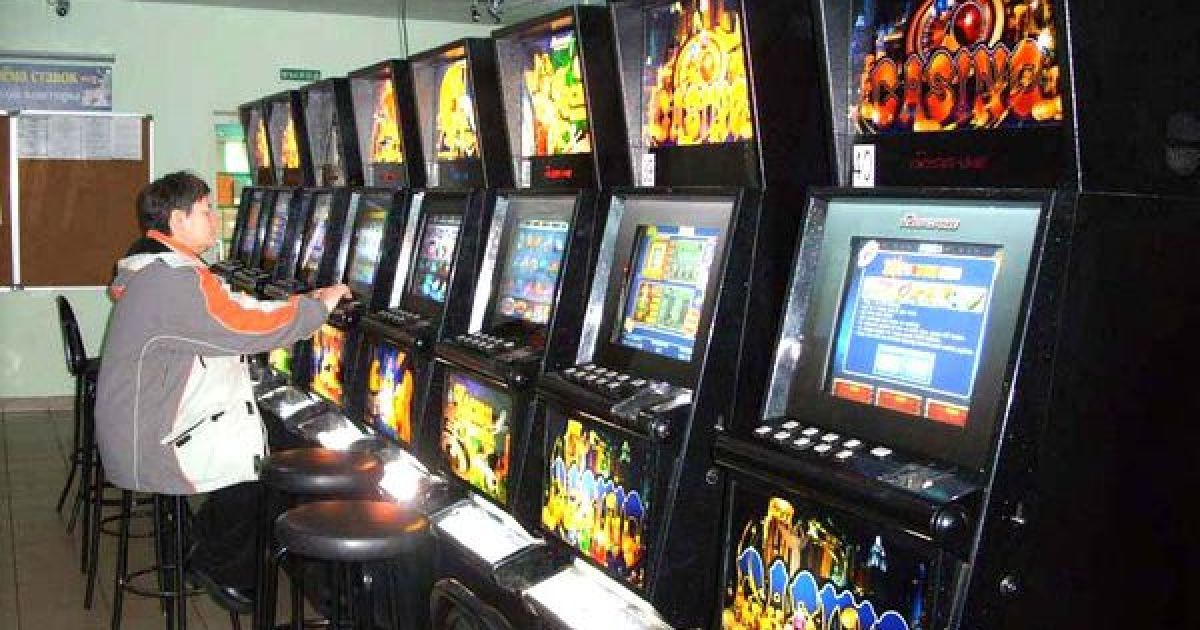
Gambling in Gaming Culture
The popularity of gambling-related games, such as mobile apps and video games, is another reflection of cultural influences. Titles like Chicken Road 2 illustrate how gaming incorporates gambling elements, appealing to diverse audiences worldwide. These games not only serve as entertainment but also resonate with varying cultural attitudes towards risk and chance. The introduction of a variety of titles, including the chicken road 2 game, highlights these shifts.
As games featuring gambling mechanics gain traction, they may influence real-world gambling behaviors. Players often experiment with virtual gambling in a safe environment, which could translate into their attitudes and approaches to actual gambling. This interconnectedness signifies the evolving landscape of gambling, where gaming culture and traditional gambling practices intersect, creating new trends and behaviors.